
Adaptive Performance Sportswear Part 1: Redefining Human Movement Through Innovation
Sportswear is no longer just fabric stitched into form. Today, it is conceived in research facilities, engineered through digital knitting platforms, and shaped by structured innovation. The factors that once set athletic brands apart — logos, celebrity endorsements, or visual appeal — are now secondary to something deeper: material engineering and proprietary production methods.
This article looks at the first of four dimensions that define modern adaptive sportswear: Design — specifically, how digital knitting has turned garment-making into a form of engineering.
The Architecture of Design: When Knit Becomes Engineering

For much of the twentieth century, apparel manufacturing relied on a cut-and-sew model. Large sheets of fabric were cut into panels and stitched together to form garments. While effective for large-scale production, this approach introduced structural constraints. Seams could create friction points on the body, reinforcement required additional materials such as overlays or padding, and the cutting process generated substantial textile waste.
Recent developments in sportswear design have begun to replace this model with digital knitting, a manufacturing approach in which garments are created directly from computer-controlled knitting machines. Digital knitting uses software instructions to control yarn placement, stitch density, and fibre tension during production. Instead of assembling multiple fabric panels, the machine knits the textile structure as a continuous piece while embedding functional characteristics directly into the material. The garment is no longer passive; it interacts dynamically with the body.
Unlike traditional textile production, where different fabrics must be stitched together to achieve varied performance characteristics, digital knitting allows designers to integrate multiple functions into a single textile architecture. By altering stitch patterns and yarn composition during production, the knitted structure can include flexible zones for mobility, dense regions for reinforcement, and breathable areas for ventilation. This process reduces seams, improves fit, and minimises material waste.
Digital knitting also enables programmable textile design, allowing garments to be engineered using computational tools before they are physically produced. Several technologies support this engineering-driven approach to sportswear design.
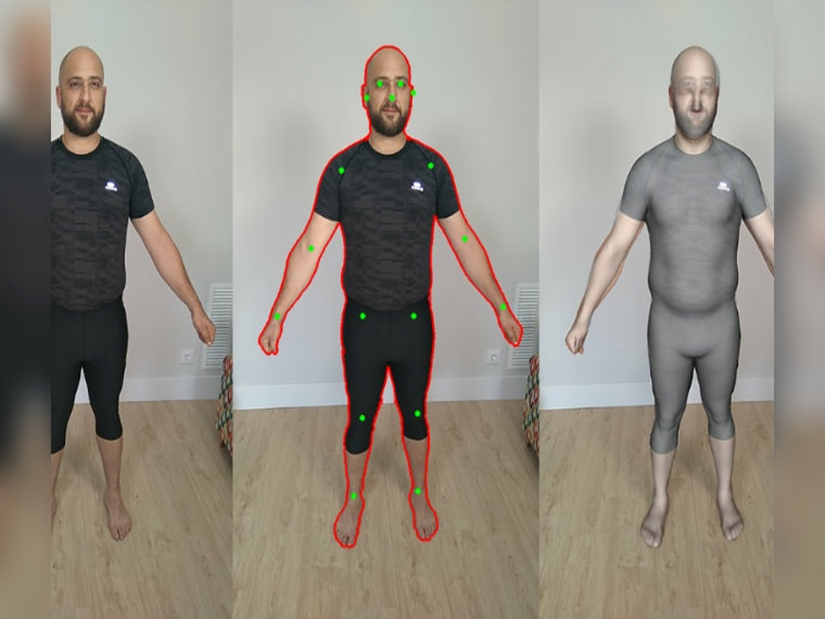
One of these technologies is 3D body scanning, which allows designers to capture precise digital models of the human body. Traditional apparel sizing relies on standardised measurements that cannot fully represent variations in body shape or athletic movement. With body scanning, designers can map anatomical features such as joint articulation points, muscle expansion areas, and high-movement zones. These digital body models help determine where flexibility, compression, or ventilation should be incorporated into the knitted structure.
Another important component is computational textile modelling, which uses simulation software to predict how fabrics behave under motion and stress. Designers can test different knit structures digitally to evaluate stretch capacity, airflow, durability, and structural support. This process allows engineers to refine textile structures before production begins, reducing development time and improving overall performance characteristics.
Together, digital knitting, body scanning, and computational modelling transform garment design into a form of engineering. Rather than simply covering the body, modern sportswear textiles are structured to interact with the body's biomechanics. Stretch zones expand when muscles contract during movement, compression areas stabilise muscle groups, and ventilation regions increase airflow in high-heat areas. In this sense, the garment is no longer passive; its structure dynamically responds to the athlete's motion and physiological conditions.
A prominent example of digitally engineered knit construction is Nike's Flyknit technology, introduced in 2012. Flyknit uses precision knitting machines to produce near one-piece footwear uppers. By varying knit density across different zones of the shoe, the structure can provide elasticity where flexibility is required and reinforcement where structural support is needed.

This approach reduces seams, lowers weight, and improves breathability compared to traditional footwear construction. Additionally, because the upper is knitted directly to shape, the manufacturing process generates significantly less material waste.
Adidas later introduced Primeknit, another digitally knitted textile system used primarily in performance footwear. Primeknit similarly produces lightweight, seamless shoe uppers but emphasises adaptive elasticity, allowing the material to conform closely to the foot and provide a sock-like fit.

Nike's Flyknit Racer, Flyknit Lunar, and Vaporfly Flyknit running shoes employ Flyknit uppers to achieve lightweight performance and structural stability. Adidas integrates Primeknit into models such as the UltraBoost, NMD R1 Primeknit, and Yeezy Boost 350, where the knit upper provides flexibility and comfort while maintaining structural integrity.
Design is only the starting point. In the next article in this series, we look at how these engineered textiles perform on the body — regulating temperature, moisture, and movement — and how they are shaped around human biomechanics.
References
1. https://www.wired.com/story/napapijri-ze-knit-digitally-knitted-sportswear-that-adapts-to-your-body/
9. https://3dprintingindustry.com/news/new-nike-patent-uses-3d-printing-for-perfect-fit-shoes-242921/


Comments